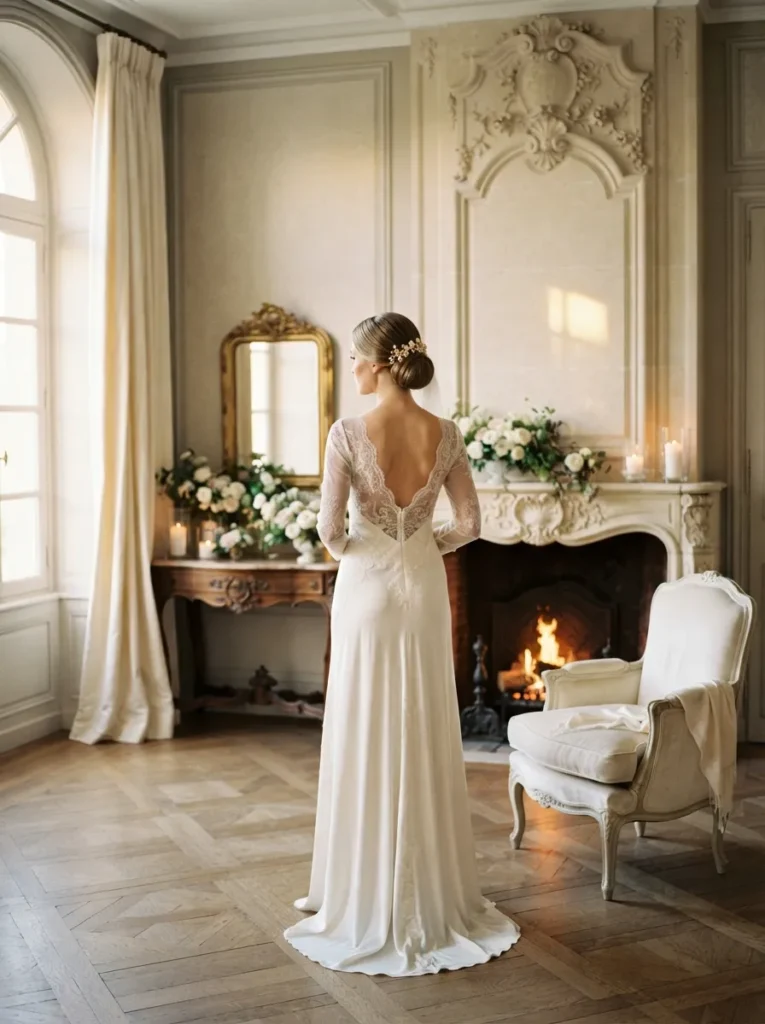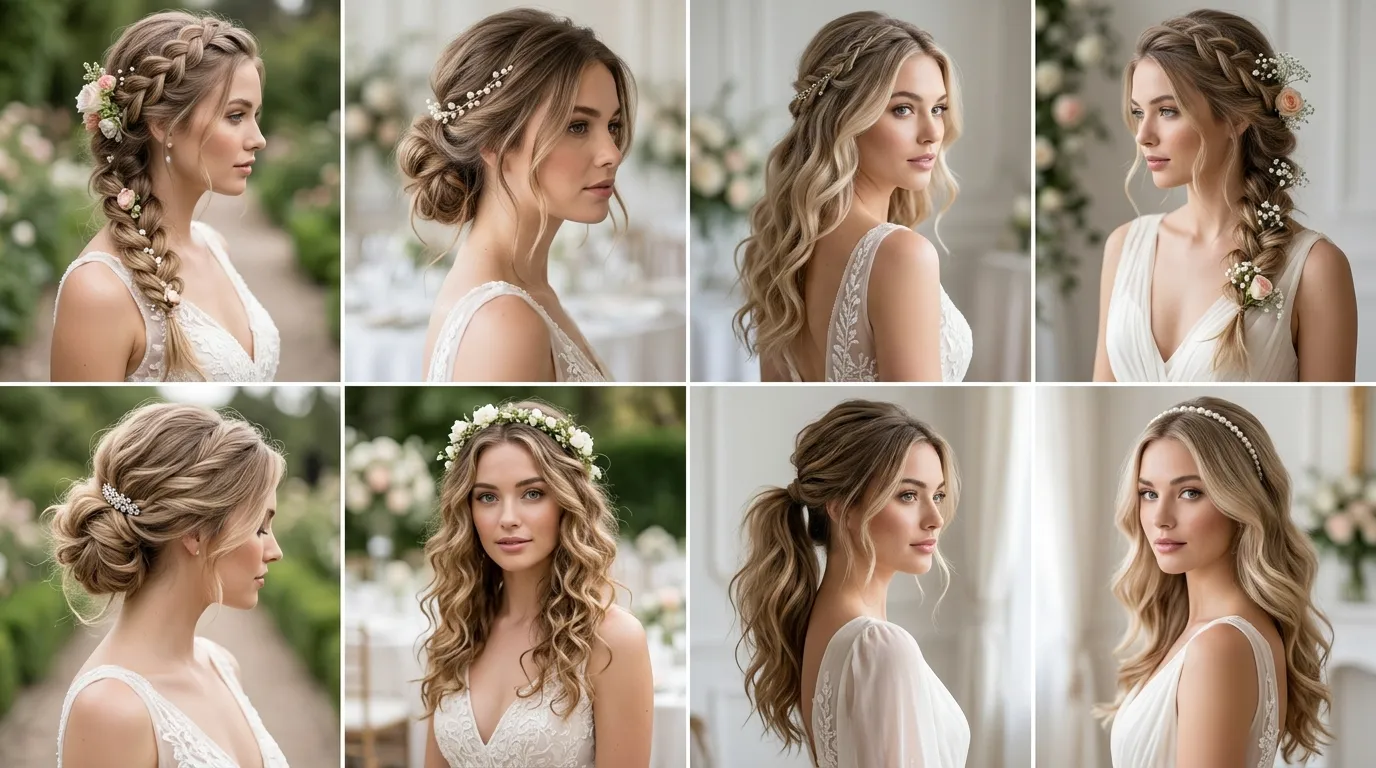
Sensitive scalp wedding hairstyles prioritize comfort without sacrificing bridal elegance, using gentle techniques that avoid tight pulling, heavy pins, or prolonged tension. These styles prove that a comfortable wedding day and a beautiful one aren’t mutually exclusive.
The key to gentle wedding hairstyling is minimizing tension at the root, choosing loose gathering over tight securing, and being mindful of how long a style needs to hold. Soft braids, relaxed buns, and loose waves all offer bridal polish while staying easy on the scalp for hours of wear.
Below, 17 sensitive scalp wedding hairstyles for every hair type, each with practical styling advice so you feel as comfortable as you look on your wedding day.
Gentle, Comfortable Wedding Hairstyles for Every Bride
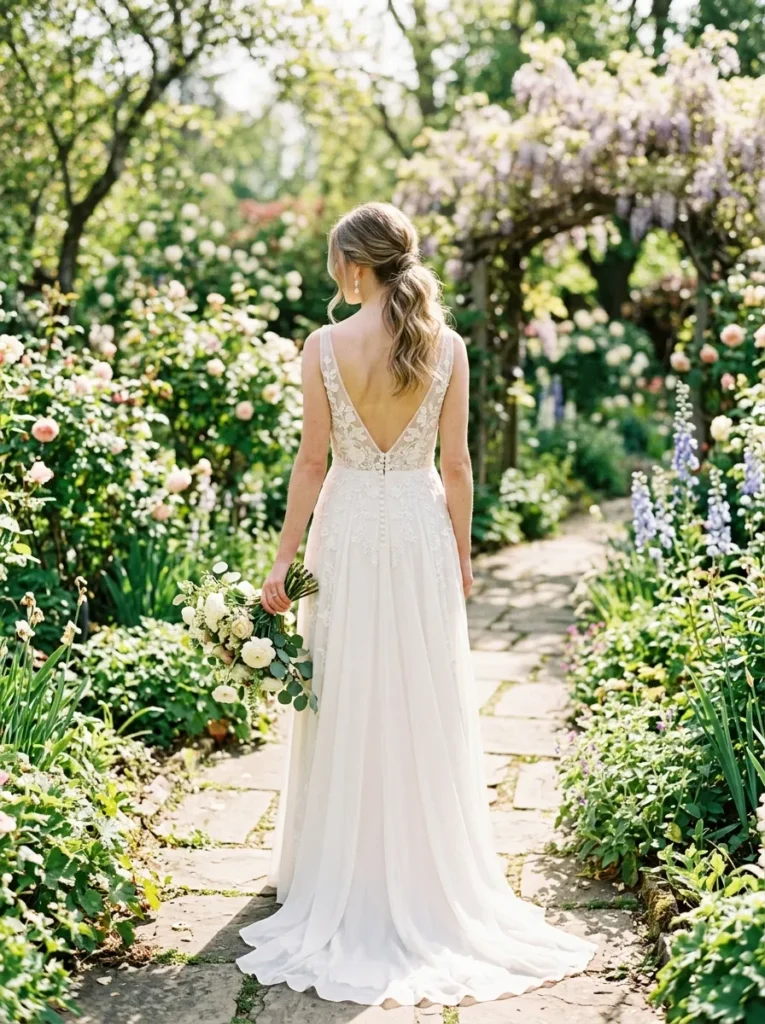
1. Low Loose Ponytail
- Suits most hair types
- Minimal tension at the root
- Comfortable for long ceremonies
- Easy to add hairpins
- Quick to style
Low loose ponytail gathers hair gently at the nape without pulling tightly, keeping tension low while still offering a polished, finished look. Smooth hair back gently with a soft brush, secure with a loose elastic, and avoid pulling the base too taut. This style stays comfortable through hours of wear since it doesn’t concentrate pressure at any single point on the scalp.
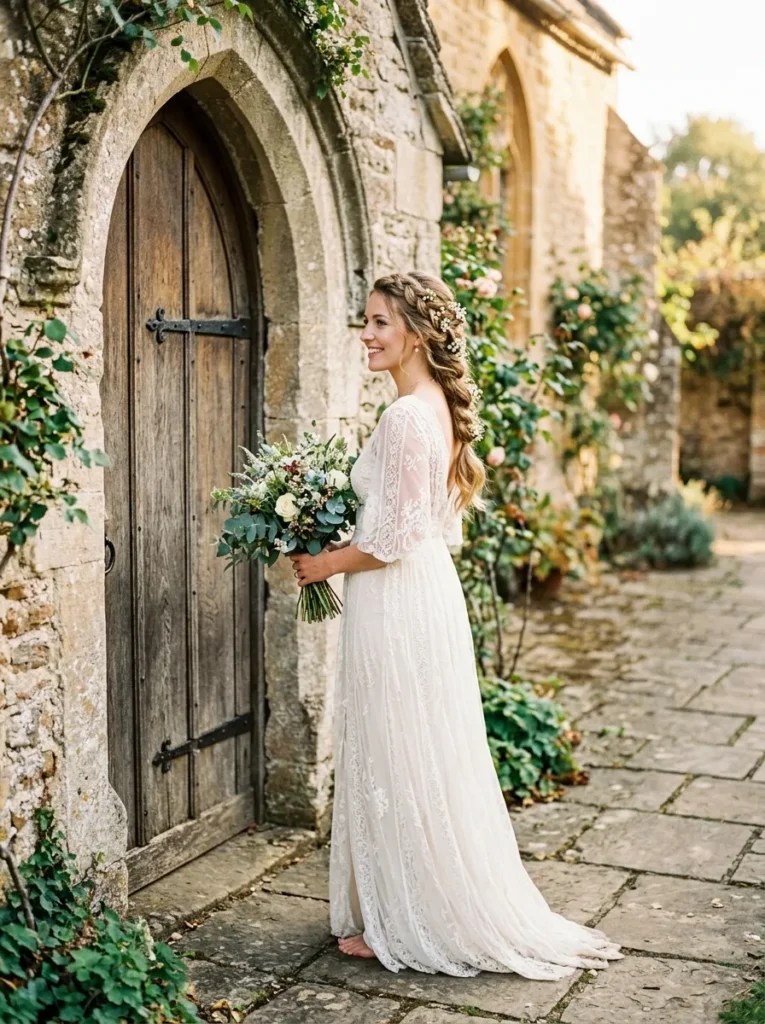
2. Loose French Braid
- Works for most hair types
- Distributes tension evenly
- Comfortable, secure hold
- Suits casual and formal venues
- Easy to personalize
Loose French braid gathers hair into a braided pattern without pulling each section tightly, distributing gentle tension evenly across the head rather than concentrating it. Braid hair with a relaxed hand, keeping sections loose as you work down. This classic technique remains comfortable for extended wear since no single area bears excessive pressure. Pulling pieces loose afterward adds softness and reduces pull further.
3. Loose Side Braid
- Suits medium to long hair
- Gentle, relaxed finish
- Easy DIY option
- Suits casual and outdoor venues
- Quick to style
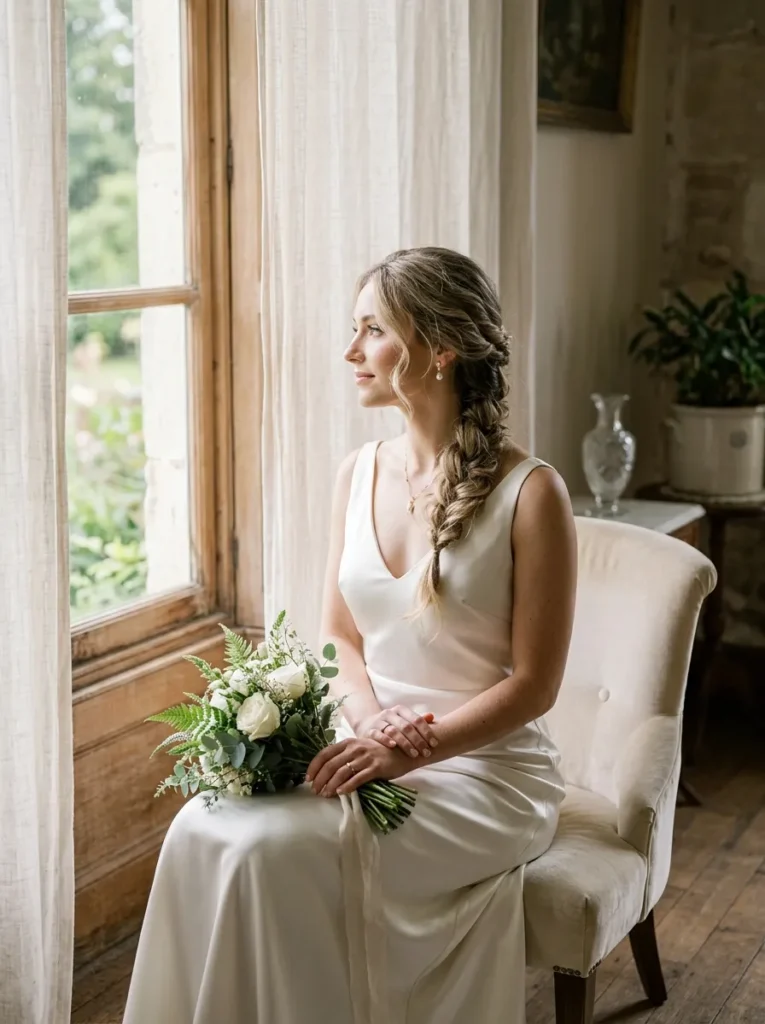
Loose side braid gathers hair loosely to one side and braids it without tight tension, creating a relaxed, romantic finish that’s easy on the scalp. Braid hair gently, pulling pieces loose along the way rather than braiding tightly from root to end. This approachable style is comfortable to wear for extended periods and easy to recreate without professional help.
4. Loose Rope Braid
- Works for medium to long hair
- Soft, twisted texture with minimal pull
- Elegant, secure silhouette
- Comfortable for long ceremonies
- Easy to personalize
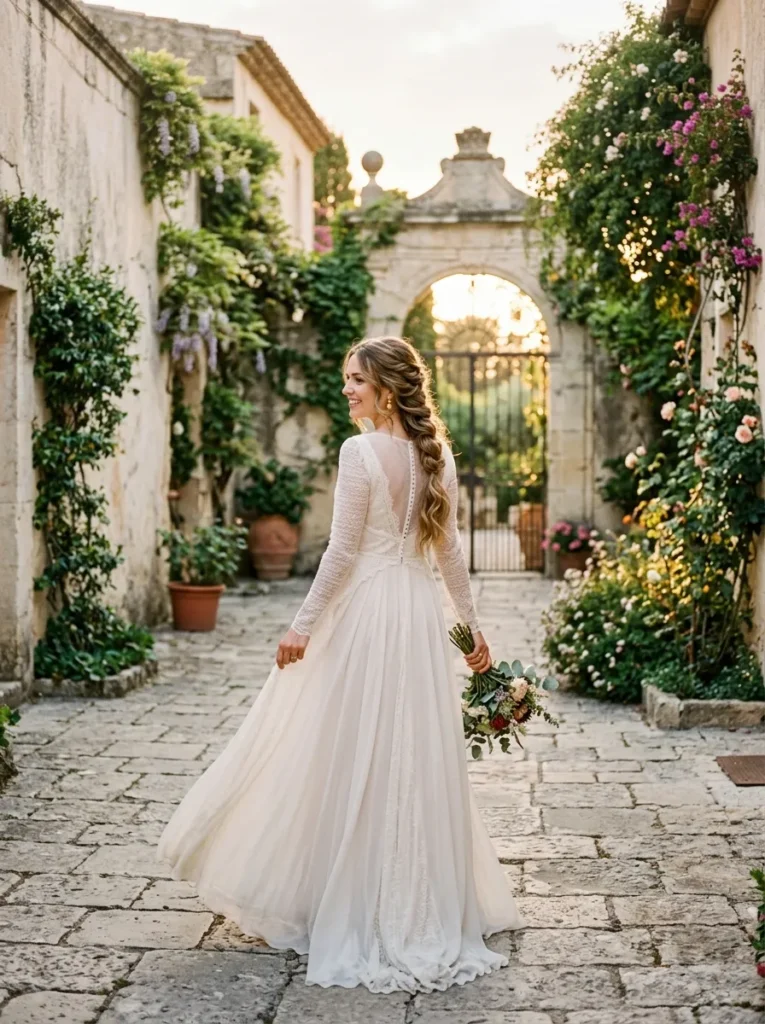
Loose rope braid twists two sections of hair around each other gently rather than pulling tightly, creating a soft, twisted pattern with minimal scalp tension. Twist each section loosely, secure the end, and avoid pulling from the root as you work. This gentle technique offers a polished look without the sustained pulling sensation of tighter braided styles.
5. High-Set Soft Bun
- Suits medium to long hair
- Minimal root tension
- Comfortable for dancing and celebration
- Suits most face shapes
- Easy to personalize with pins
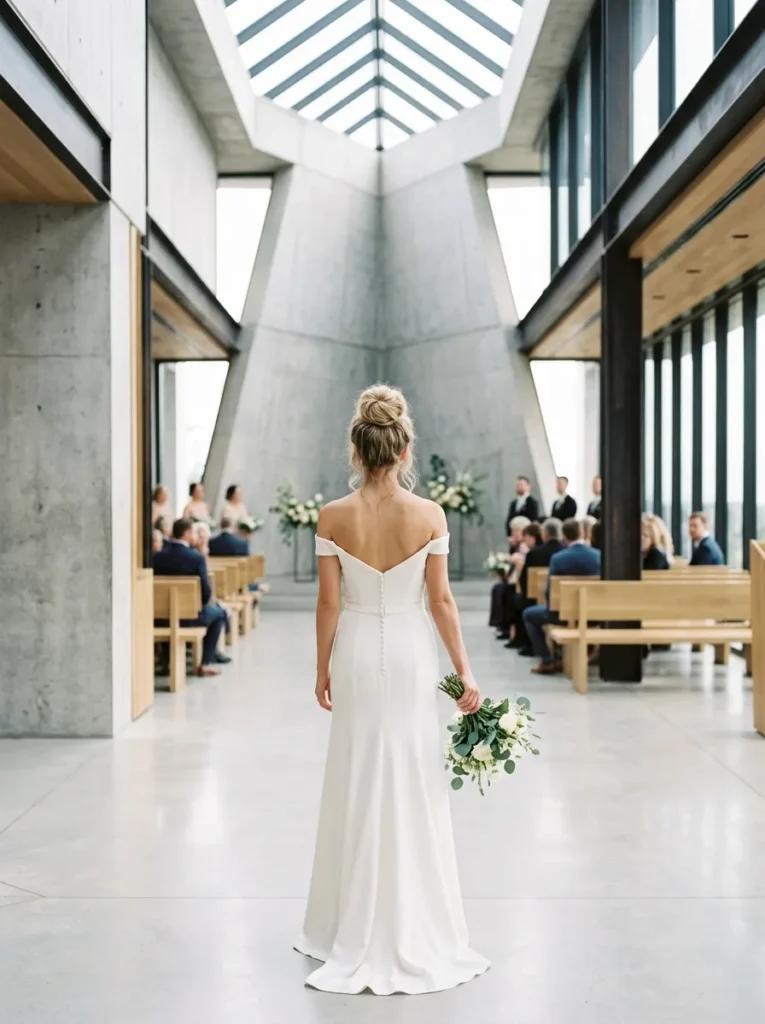
High-set soft bun gathers hair loosely at the crown into a relaxed bun, avoiding the tight pulling often associated with more structured updos. Twist hair gently, wrap into a loose bun shape, and pin without cinching tightly at the base. This style stays comfortable through hours of dancing since it sits higher and lighter than a low, tightly secured bun.
6. Low Nape Chignon
- Best for straight or blown-out hair
- Gentle, low-tension silhouette
- Comfortable for long ceremonies
- Needs minimal pinning
- Suits formal ceremonies
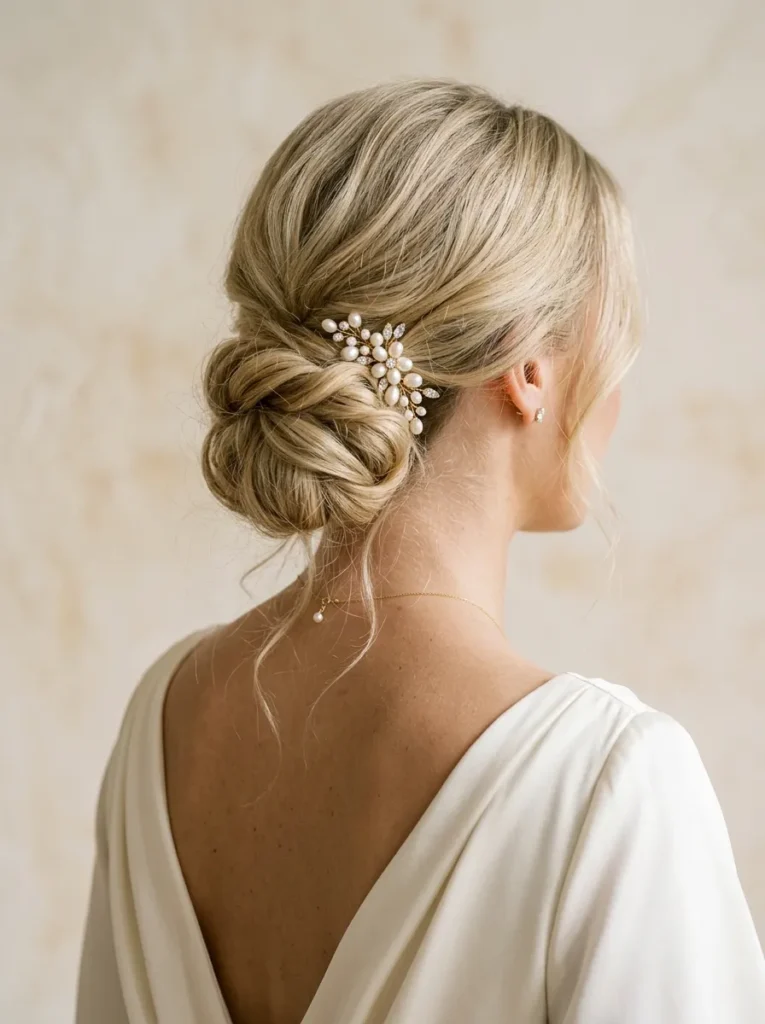
Low nape chignon gathers hair smoothly at the nape without pulling the front section tightly, creating a polished look with reduced tension near the hairline. Smooth hair back gently, twist into a soft knot, and secure with just enough pins to hold shape without over-tightening. This style remains elegant while staying gentle on more sensitive areas near the scalp’s edge.
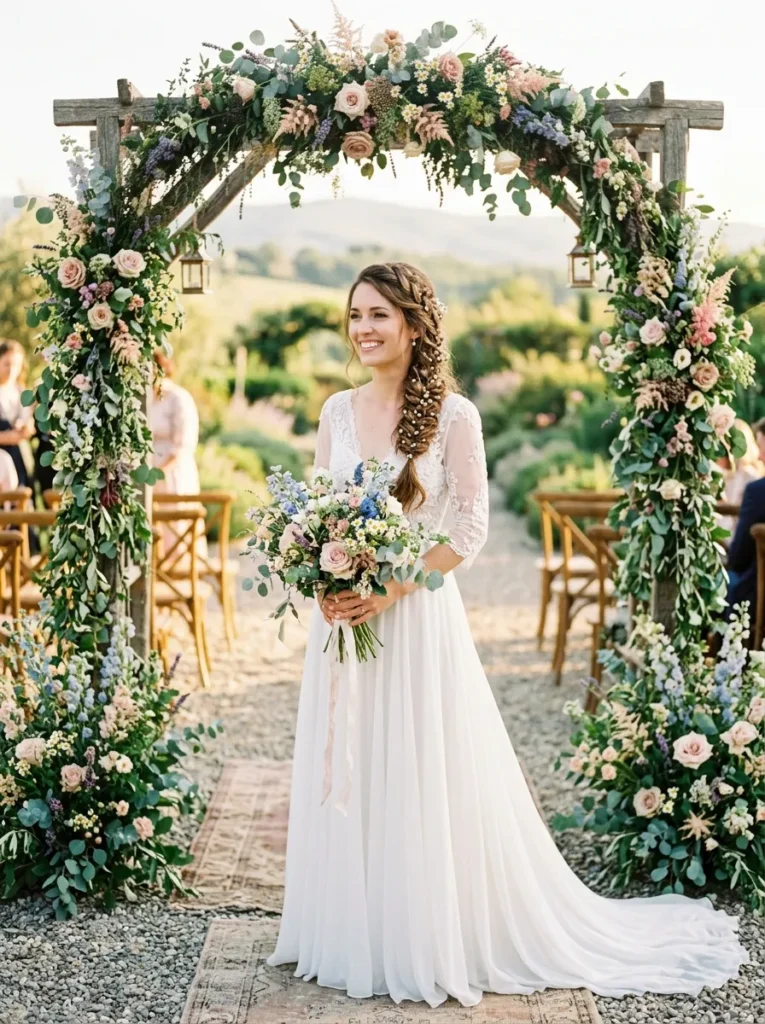
7. Loose Beaded Braid
- Suits medium to long hair
- Delicate detail with gentle tension
- Elegant for formal ceremonies
- Easy to personalize with beads
- Budget-friendly accessory option
Loose beaded braid weaves a relaxed braid loosely through the hair, then tucks small beads throughout for subtle detail without adding tension. Braid gently, pulling pieces loose as you go, then thread beads into the looser sections rather than pulling tight to secure them. This style offers bridal detail while keeping pull to a minimum throughout the styling process.
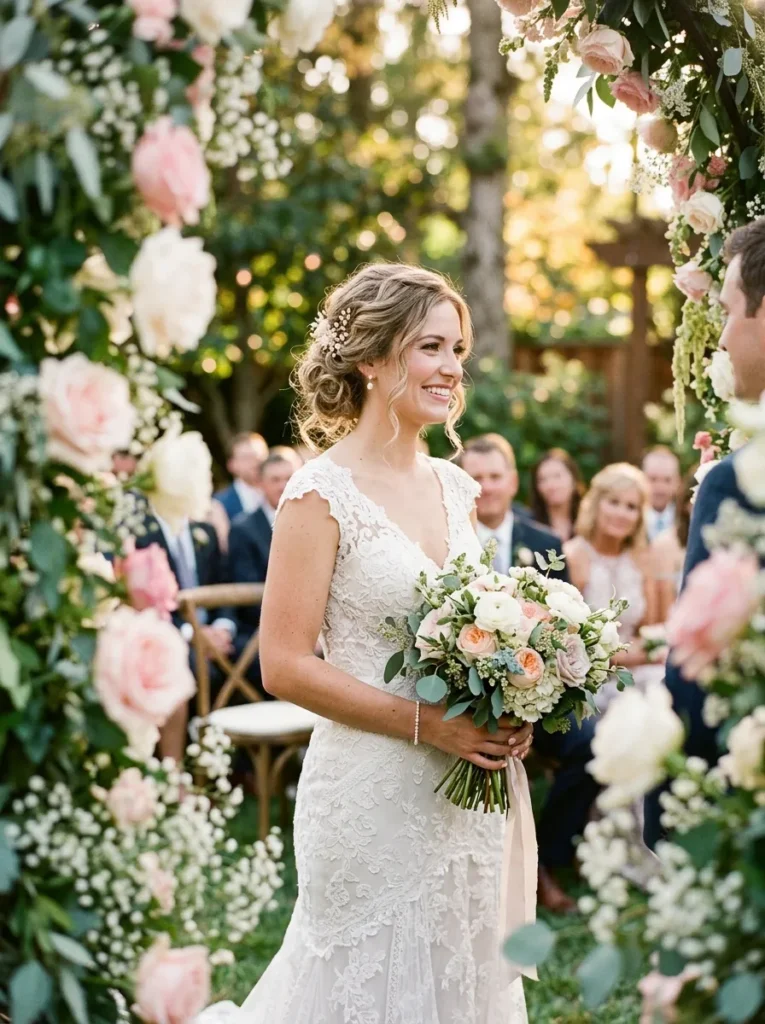
8. Soft Tousled Updo
- Works for medium to long hair
- Undone texture with minimal pinning
- Effortless yet finished look
- Suits most wedding themes
- Comfortable for all-day wear
Soft tousled updo gathers hair loosely into a relaxed, textured updo using minimal pins and avoiding tight backcombing at the root. Twist sections gently, pin only where necessary to hold shape, and let a few pieces fall naturally for a soft, undone finish. This gentle approach keeps the look polished without the discomfort of heavily secured or teased styles.
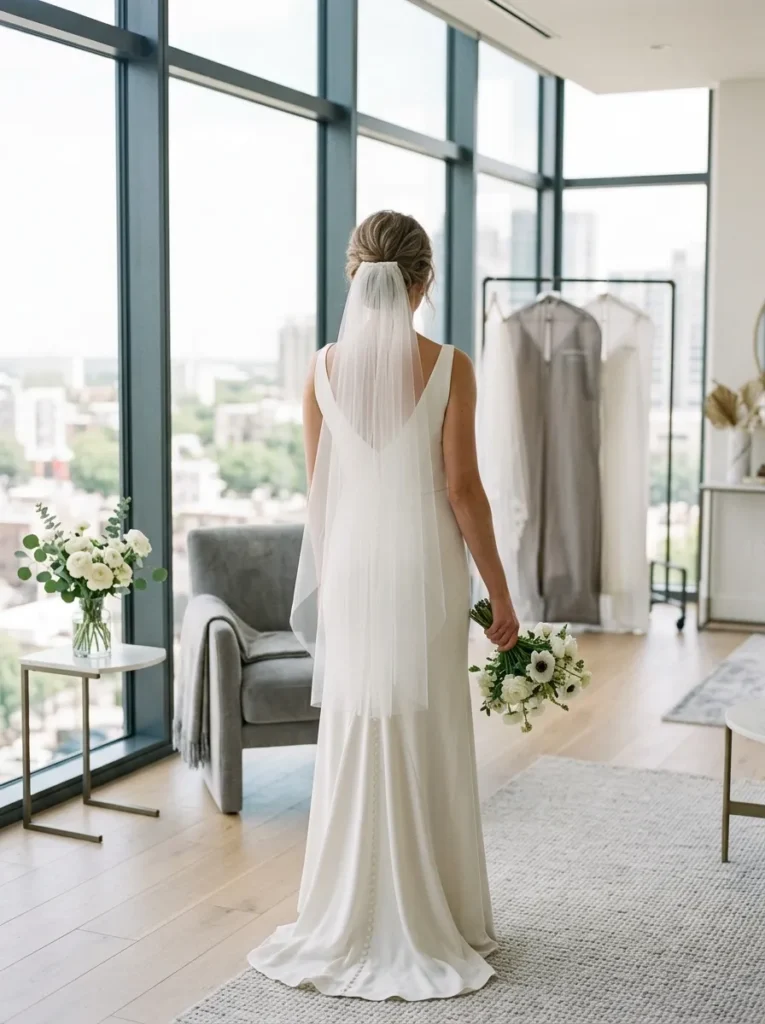
9. Loosely Gathered Low Bun
- Ideal for thick or long hair
- Minimal tension, comfortable hold
- Timeless, elegant silhouette
- Pairs well with veils
- Easy on sensitive areas
Loosely gathered low bun collects hair gently at the nape, twisting into a soft bun without pulling the crown or hairline tightly. Gather hair with a relaxed hand, twist loosely, and pin just enough to hold shape securely. This style is especially practical for brides wearing a veil, since the bun anchors it without adding extra tension to the scalp.
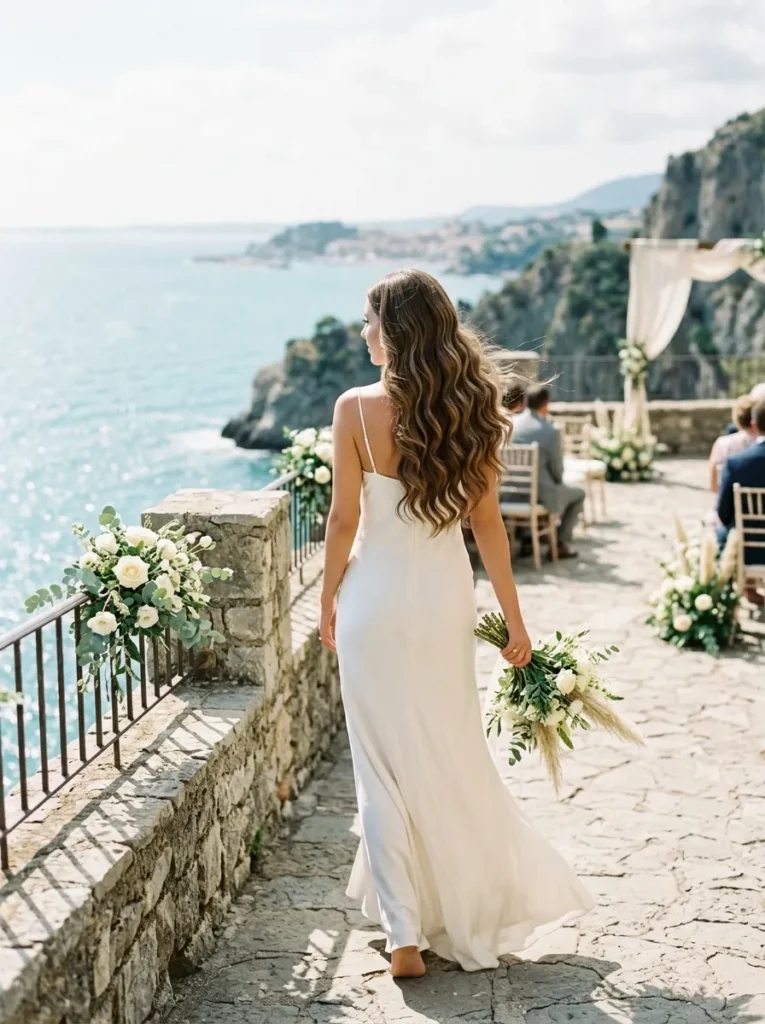
10. Mermaid Waves Down
- Suits fine to medium hair
- Zero root tension, hair worn fully down
- Effortless bridal texture
- Low maintenance throughout ceremony
- Easy to style at home
Mermaid waves down keeps hair completely loose and flowing, avoiding any pulled-back sections that could create tension near the scalp. Curl hair with a 1.25-inch wand, finger-comb through gently for softness, then finish with a light-hold spray. This style offers zero root tension since nothing is gathered, pinned, or pulled back throughout the day.
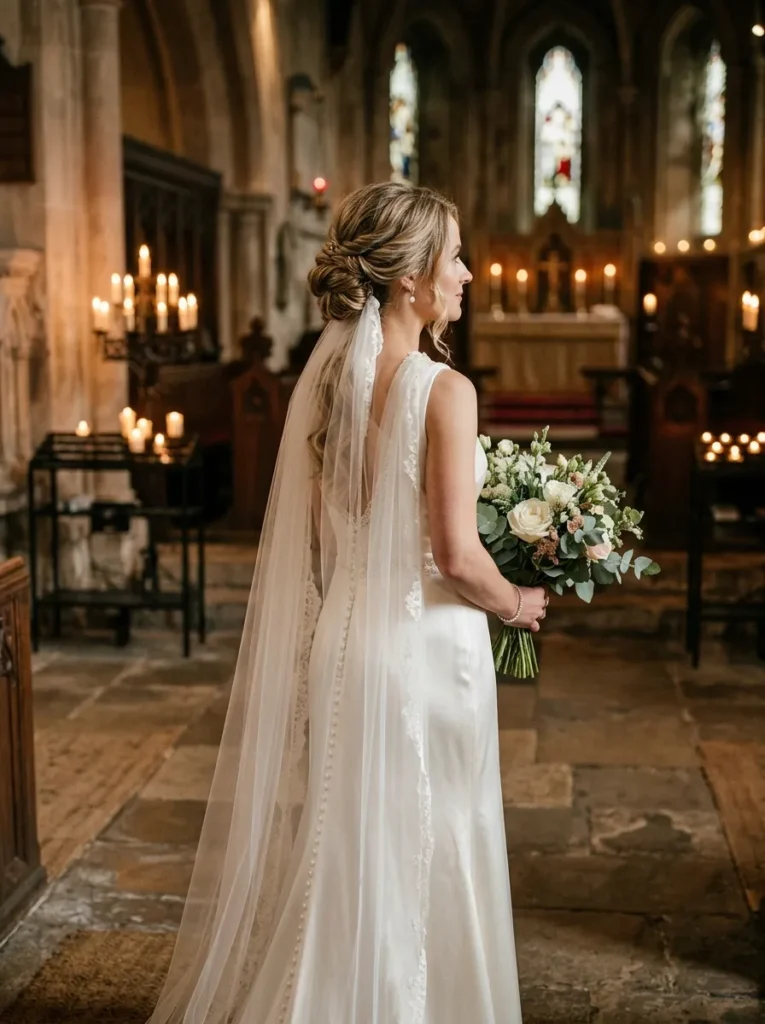
11. Low Chignon, Curls Down
- Suits medium to long hair
- Small gathered section, mostly loose
- Comfortable, balanced tension
- Flatters most face shapes
- Easy DIY option
Low chignon with curls down gathers just a small section at the nape into a soft twist while leaving the majority of hair down and curled. Twist a small section gently, pin loosely, and curl the remaining hair for a soft, layered finish. This style minimizes overall tension since only a portion of the hair is gathered rather than the entire head.
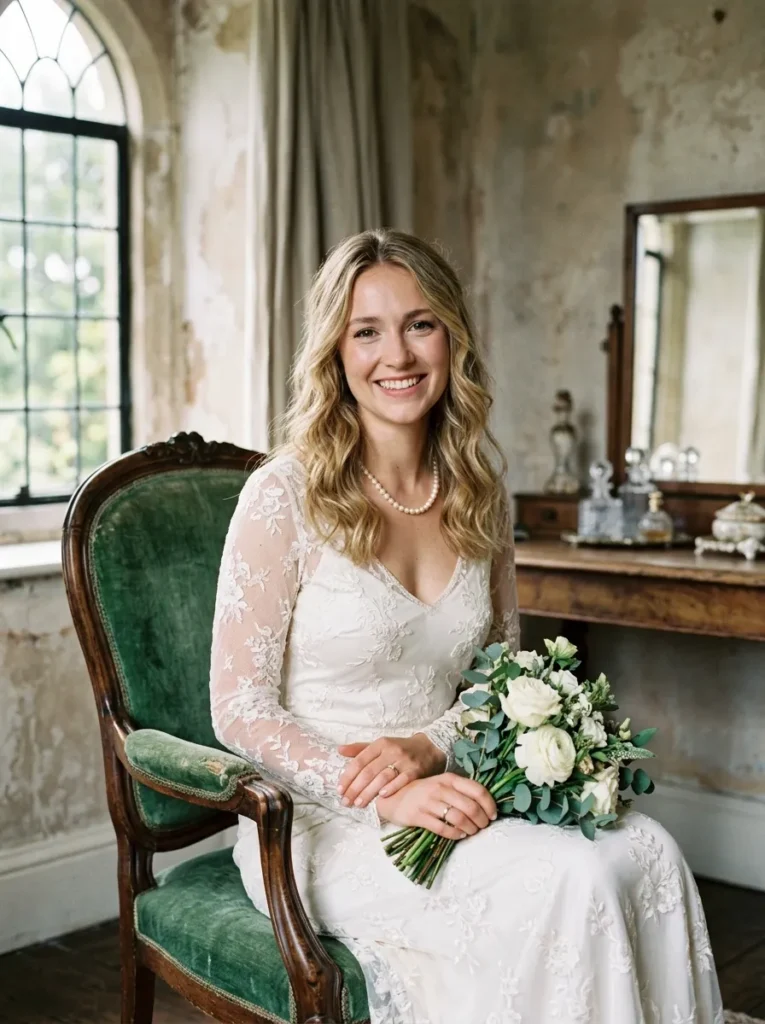
12. Mid-Length Loose Waves
- Works for most hair types
- No pulling or gathering required
- Effortless, comfortable finish
- Low maintenance throughout ceremony
- Flatters most face shapes
Mid-length loose waves curls hair gently throughout and leaves it completely down, requiring no pulling, pinning, or gathering at any point. Curl hair in medium sections, brush through softly, then finish with a light-hold spray. This style offers maximum comfort since there’s no root tension involved in the styling process at all.
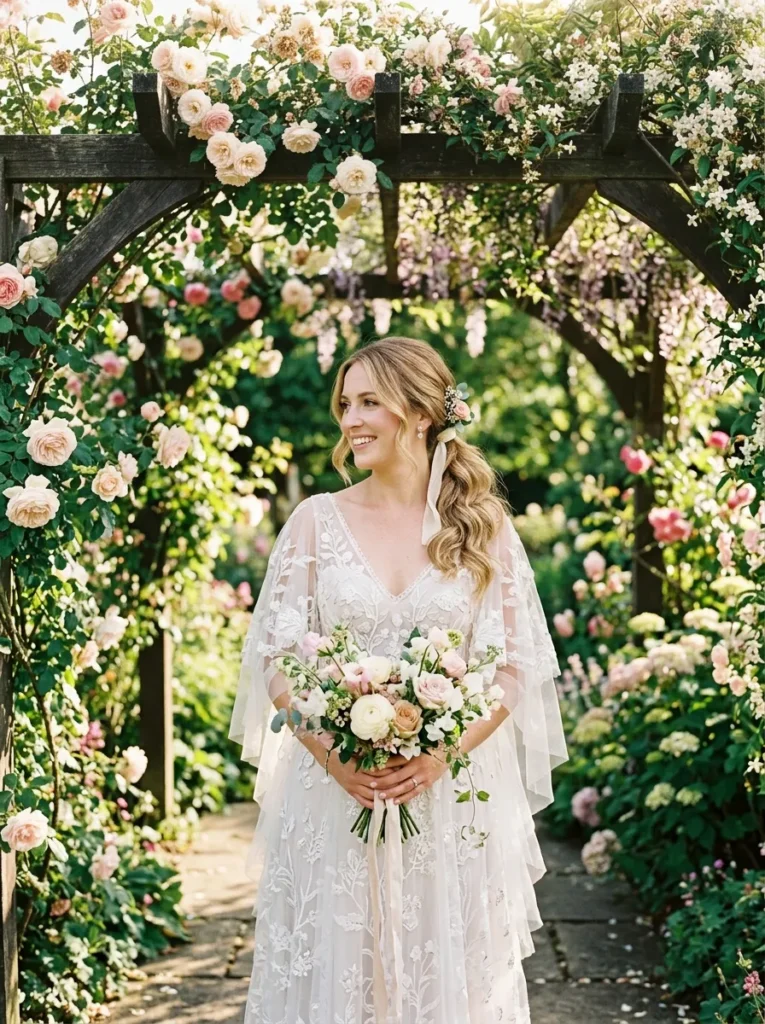
13. Shoulder-Wave Low Ponytail
- Suits medium to long hair
- Gentle gathering with soft waves below
- Comfortable for outdoor movement
- Minimal styling time needed
- Easy to personalize
Shoulder-wave low ponytail gathers hair loosely at the nape into a relaxed ponytail, then curls the length for soft waves that fall at the shoulders. Smooth hair back gently, secure with a loose elastic, and curl the ponytail’s length afterward. This style keeps tension minimal at the gathering point while adding polish through the waves below.
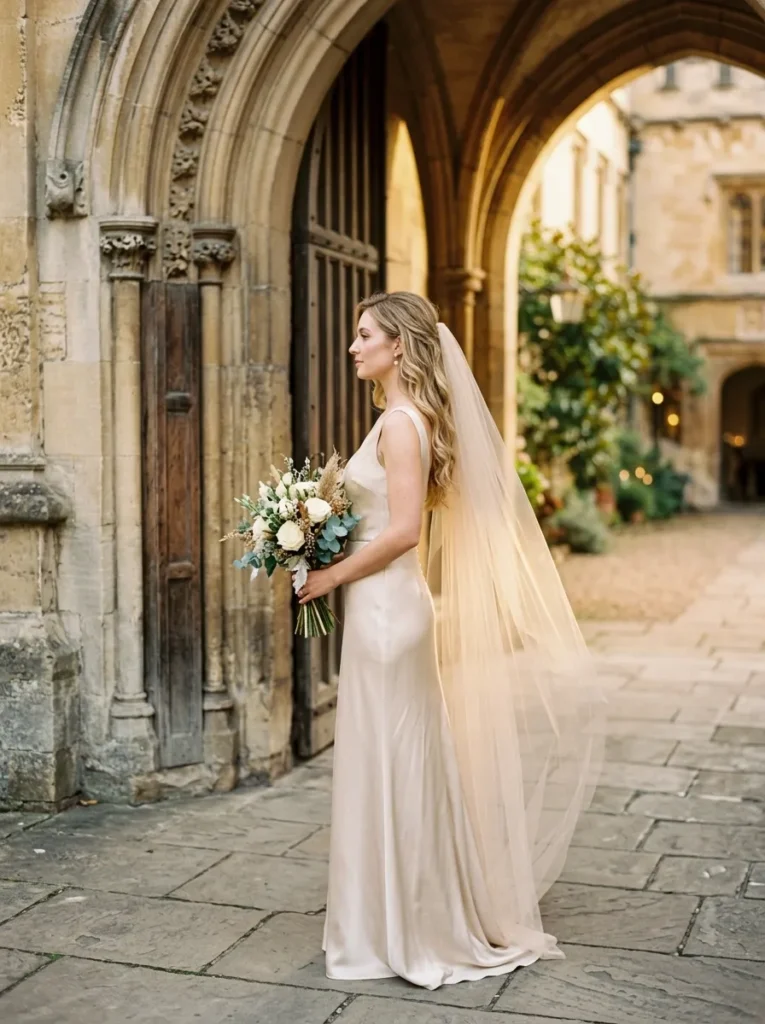
14. Backcombed Loose Waves
- Best for fine to medium hair
- Gentle volume without tight pulling
- Suits formal ceremonies
- Needs light backcombing at the crown
- Flatters most face shapes
Backcombed loose waves adds gentle volume at the crown through light backcombing, avoiding aggressive teasing that can feel harsh on sensitive areas. Backcomb small sections softly, smooth the surface layer, then curl the remaining hair for waves. This technique adds lift without the discomfort of heavy-handed teasing often used for more dramatic volume.
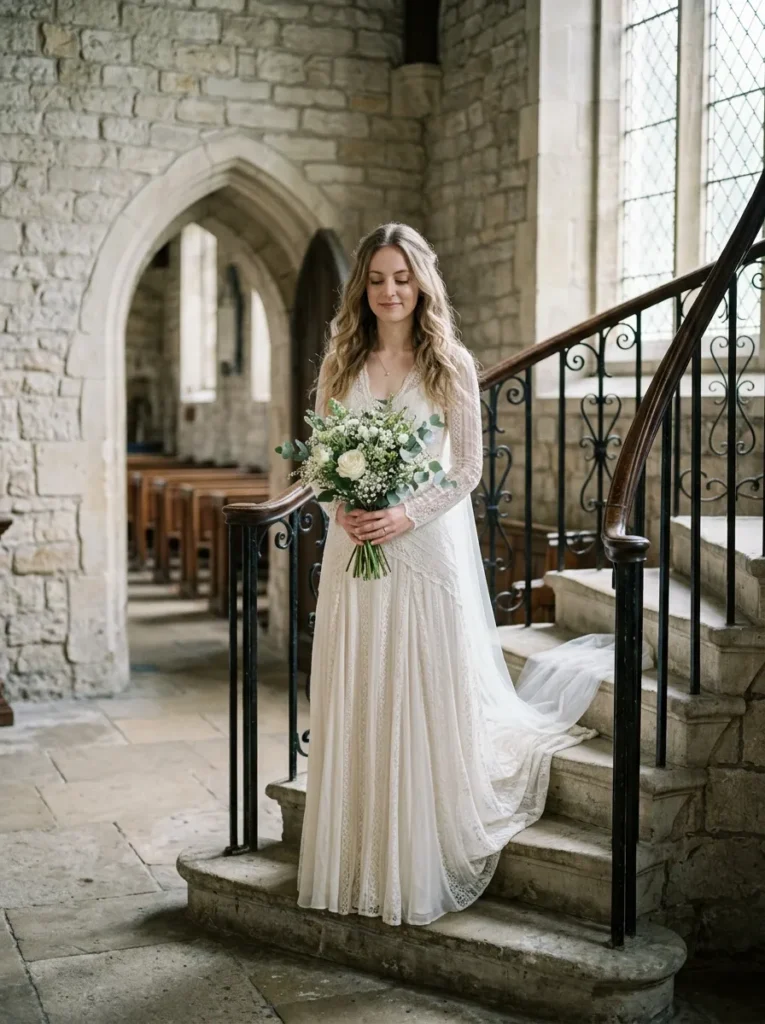
15. Gentle Flying Waves
- Suits fine to medium hair
- Soft, relaxed curl pattern
- Zero gathering or pinning
- Great for outdoor ceremonies
- Low maintenance overall
Gentle flying waves curls hair softly and leaves it completely loose, letting natural movement carry the style rather than pins or gathering. Curl hair with a wand, finger-comb through for softness, then let it move freely throughout the day. This style suits brides prioritizing comfort above all else, since nothing is secured tightly to the scalp.
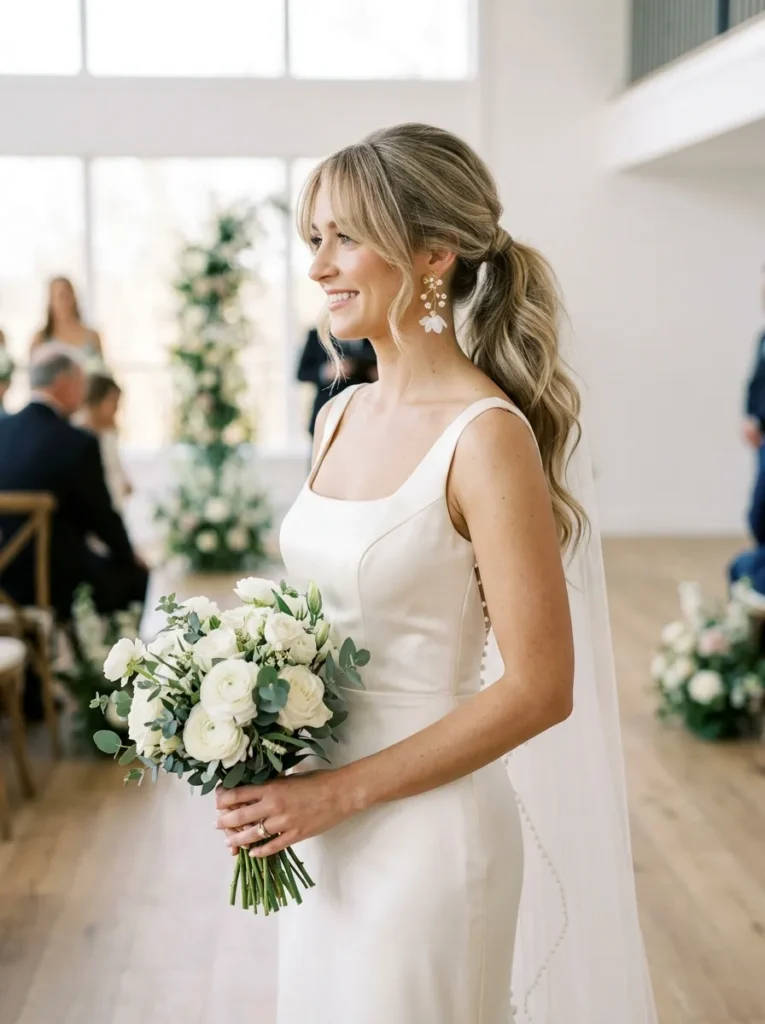
16. Loose Ponytail + Bangs
- Suits most hair types with bangs
- Gentle gathering with soft framing
- Comfortable, low-tension finish
- Easy to style with a round brush
- Flatters most face shapes
Loose ponytail with bangs gathers hair gently at the nape while leaving soft, curled bangs down around the face for a relaxed, comfortable finish. Smooth hair back loosely, secure with a soft elastic, then style bangs separately with a round brush for movement. This combination keeps overall tension low while still offering a soft, face-framing detail.
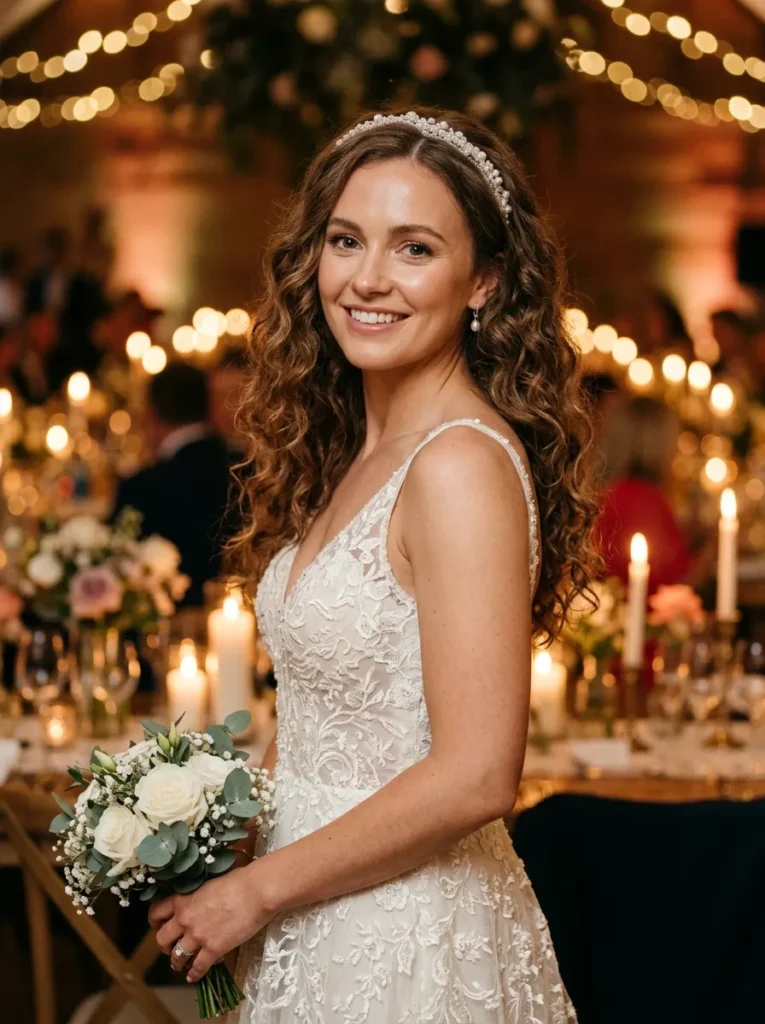
17. Loose Curls Down
- Suits medium to long hair
- Zero root tension, fully relaxed
- Effortless bridal texture
- Low maintenance throughout ceremony
- Flatters most face shapes
Loose curls down keeps hair completely free-flowing, curled gently throughout with no gathering, pinning, or pulling involved in the process. Curl hair in medium sections, brush through gently to soften the curl pattern, then finish with a light-hold spray. This style offers the most comfortable option on this list since nothing is secured to the scalp at all.
Sensitive Scalp Wedding Hairstyles FAQ
1. What hairstyles are most comfortable for a sensitive scalp?
Loose styles worn down or gently gathered, like mermaid waves down or a low loose ponytail, tend to be most comfortable since they avoid tight pulling.
2. Can I still wear an updo if I prefer gentle styling?
Yes, styles like the soft tousled updo or high-set soft bun use minimal pinning and loose gathering, offering an updo look without excessive tension.
3. What styling techniques should I avoid for a sensitive scalp?
Heavy backcombing, tight braiding, and styles requiring many small, secured sections generally create more tension than looser, gently gathered options.
4. How can I communicate my comfort needs to my wedding stylist?
Letting your stylist know you prefer looser tension and minimal pulling upfront helps them adjust techniques like braiding and pinning throughout the appointment.
5. Do loose hairstyles hold up well for a full wedding day?
Yes, many gentle styles like loose waves or a relaxed low bun hold up well with a light-hold spray, even without tight securing.
6. What accessories work well with gentle, low-tension hairstyles?
Lightweight pins, soft ribbons, and delicate clips work well since they add detail without requiring the tight securing heavier accessories often need.
Comfortable, Beautiful Hair for Your Big Day
Sensitive scalp wedding hairstyles prove that comfort and bridal beauty can absolutely coexist, whether it’s the complete ease of loose curls down, the gentle polish of a loosely gathered low bun, or the relaxed detail of a loose beaded braid. Each style minimizes tension while still delivering a finished, elegant look.
Don’t hesitate to communicate your comfort preferences clearly to your stylist, and consider a trial run to test how a chosen style feels over several hours. A patient, experienced stylist can help adjust any of these looks to keep tension minimal throughout your celebration.
Subscribe to our weekly newsletter for more hairstyle inspiration, styling tips, and hair care advice.